
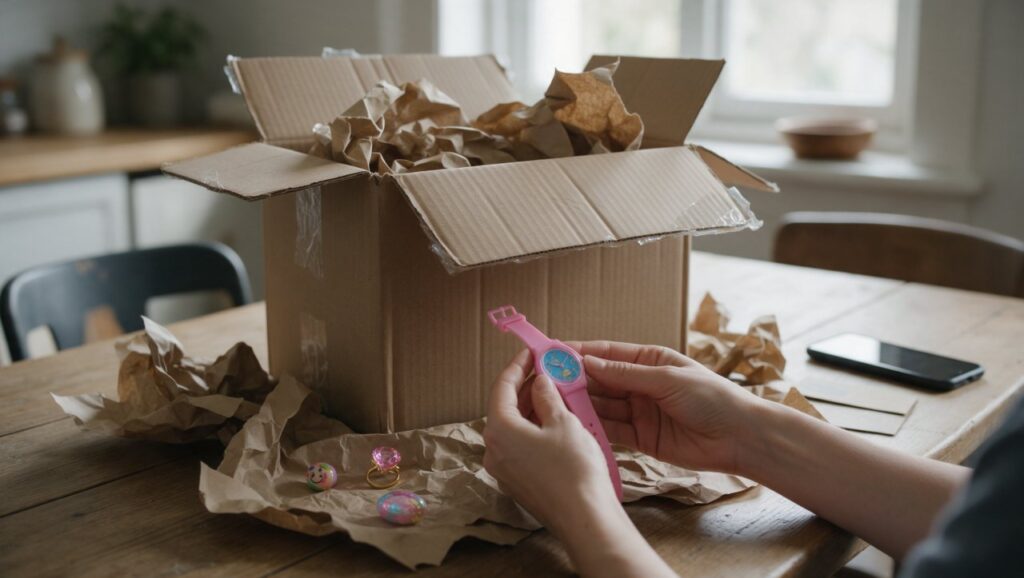
You see a listing for wireless earbuds at 70% off. The photos look professional, the seller has a five-star rating, and the countdown timer says the deal ends in two hours. You check out fast, proud of yourself for catching the flash sale before it disappeared. A week later, the package arrives. The earbuds feel hollow, the sound is tinny, and the charging case stops working on day two. The seller has stopped replying. That quick win was a trap, and plenty of people fall for the same one.
Online shopping on Shopee can be genuinely cheap and convenient, but the same features that make it easy to browse and pay also make it easy to get tricked. Scammers rely on speed, excitement, and the fear of missing out. Most scams follow the same patterns. Once you know what to look for, you can avoid the worst listings and still grab real deals when they show up.
Too-Good-To-Be-True Pricing
The most common scam starts with an absurdly low price. A branded watch, a gaming keyboard, or a designer bag listed for a fraction of the normal cost is designed to stop your scroll. The logic is simple: if you think you are getting a once-in-a-lifetime bargain, you are less likely to read the fine print or question the seller.
Scammers often use a few tricks to make the price look believable. They may show a heavily inflated original price crossed out next to the sale price. The discount looks huge, but the original price was never real. In other cases, the listing shows a low starting price for one variation, like a phone case, while the item in the photo is actually a much more expensive phone. When you select the variation you want, the price jumps.
How to check the real value
- Search for the same item from several sellers before buying.
- Compare prices on official brand stores or large retailers.
- Look at the price history if the platform shows it, or use your own memory of normal retail prices.
- Treat a price far below what other sellers charge as a warning, not a win.
A common mistake is assuming a low price is part of a voucher or coin discount. Sometimes a voucher does explain a lower price, but vouchers usually knock off a modest amount. When a seller lists a current model phone for the price of a budget model, no voucher is going to cover that gap. The goal is to make you act before thinking. Slow down, compare, and move on if the math does not make sense.
Fake Reviews and Inflated Ratings
Almost every online shopper checks reviews before buying. Scammers know this, so they fake them. A listing with hundreds of five-star reviews can look trustworthy even when the product is junk. Fake reviews often appear in bursts, use similar wording, or focus on shipping speed instead of the actual item.
Some sellers also offer small incentives for positive ratings. A buyer might get a tiny cashback or a coupon for leaving five stars. That does not always mean the product is bad, but it does mean the rating is less reliable. In other cases, sellers list a cheap product, collect good reviews, and then change the listing to a more expensive item. The reviews stay attached, and new buyers see glowing comments for something completely different.
Red flags in the review section
- Many reviews posted on the same day or within a short window.
- Generic phrases like “good quality” or “fast delivery” repeated over and over.
- Photos that do not match the current product.
- Reviews that mention a different item entirely.
- No negative or neutral reviews at all, even for a product with hundreds of orders.
Spend time on the two, three, and four-star reviews, which usually tell you more than the five-star comments. Also check whether the seller responds to complaints and how they handle returns. A seller who argues with every unhappy buyer is a risk even if the product looks fine in photos.
Bait-and-Switch Listings
A bait-and-switch happens when the listing shows one thing and the seller ships another. You might order a thick, cozy hoodie and receive a thin polyester shirt. You might order a branded power bank and get an unbranded clone with half the capacity. The photos and description were accurate for the item the seller wanted you to think you were buying, but the shipped product does not match.
This scam works because many buyers do not open a dispute right away. They may think the difference is too small to bother with, or they may not know how to request a refund. Sellers count on that hesitation. By the time you decide to complain, the order may already be marked as completed and the dispute window may have closed.
Protect yourself before ordering
- Read the full description, including the specifications section.
- Check the variation you selected and the photo for that exact variation.
- Look for buyer photos in the reviews, not just seller photos.
- Avoid listings where the main photo is obviously a stock image from a big brand.
- Ask the seller a specific question about size, material, or model before paying.
When the package arrives, film yourself opening it if the item is expensive. A short video showing the sealed package, the shipping label, and the product inside is useful evidence if you need to file a dispute. It feels awkward at first, but it takes a minute and can save you a lot of money.
Phishing Messages and Fake Shopee Links
Not every scam happens in a listing. Some happen after you place an order or after you chat with a seller. A scammer may send a message claiming there is a problem with your payment, your address, or your Shopee account. The message includes a link that looks official and asks you to log in or confirm your details. If you enter your password or payment information, the scammer captures it.
These messages can arrive through Shopee chat, email, or text. They often create urgency by saying your order will be canceled or your account will be suspended. The link may lead to a page that looks like Shopee but has a slightly different web address. In some cases, the page even redirects to the real Shopee site after you enter your details, so you do not realize anything went wrong.
How to avoid phishing
- Never log in through a link sent by a seller or an unknown sender.
- Open the Shopee app directly and check your orders, wallet, and notifications there.
- Look at the web address carefully. Small misspellings are a giveaway.
- Do not share one-time passwords or verification codes with anyone.
- Be suspicious of messages that demand immediate action.
Payment issues and order updates show up inside the app. A random chat message or text with a link is a common phishing tactic, so treat it as suspicious until you have checked the app yourself. When in doubt, close the message and check your account on your own.
Pre-Order and Long Shipping Scams
Some sellers list items they do not actually have. They take your money and promise to ship in a few weeks, then a few more weeks, then they go silent. Pre-order scams are common for trending products, limited edition sneakers, collectibles, and seasonal items. The seller uses the hype to collect as many orders as possible before disappearing.
Even when the seller does ship, the long wait can be a problem. Shopee’s buyer protection has time limits. If the order completes automatically before the package arrives, your chance to dispute shrinks. Some sellers delay shipping to run out the clock.
Red flags for pre-order listings
- Shipping time is weeks or months away.
- The seller asks you to confirm delivery before the item arrives.
- The listing uses vague phrases like “will ship when stock arrives.”
- The seller has many pre-order listings but few or no completed orders.
- The price is slightly lower than everyone else, but only for a pre-order.
If you do decide to pre-order, keep an eye on the shipping deadline. Do not let the order sit without checking. If the seller asks you to extend the shipping period, think carefully. Extending once may be fine, but repeated extensions are a sign that the seller does not have the product. Depending on the order status, you can often request a cancellation before the item ships, so act before the order completes.
Counterfeit Branded Goods
Counterfeits are a known problem on online marketplaces in general, and Shopee is no exception. A listing may use official product photos and brand names, but the shipped item is a fake. This is common with sneakers, bags, watches, perfume, and electronics accessories. The fake may look convincing in photos, but the materials, performance, and safety are not the same.
Sellers often avoid using the exact brand name to dodge filters. They may write “inspired by” or use a brand name with a slight misspelling. In other cases, they use the real brand name but price the item too low to be genuine. The product photos may be stolen from the official brand website or from other sellers.
How to reduce the risk
- Buy from official brand stores or authorized resellers when possible.
- Check the seller’s other listings. A store selling one luxury bag among phone cases is a red flag.
- Read negative reviews for mentions of “fake,” “replica,” or “not authentic.”
- Compare the logo, stitching, and packaging in buyer photos to the official product.
- Be realistic about the price. A brand new designer bag at ninety percent off is not real.
If you receive a counterfeit item, open a dispute and explain that the product is not authentic. Include photos and note the differences from the listing. Clear visual differences help your case. Counterfeits can also be a safety risk, especially chargers, batteries, cosmetics, and perfume, so it is worth avoiding them even when the price is tempting.
Fake Delivery and Wrong Address Tricks
Some scammers never intend to send you anything. Instead, they use the shipping and delivery system to make it look like you received the item. They may ship an empty or worthless package, send it to the wrong address, or use a tracking number that is not linked to your order. The tracking shows delivered, and the seller says the job is done.
This works because many buyers do not check the delivery details carefully. They see “delivered” and assume the package is somewhere in the house. By the time they realize nothing arrived, the return window may have closed. A wrong address can also buy a dishonest seller time while the dispute window runs down.
What to do when tracking says delivered but you have nothing
- Check the delivery address and recipient name in the tracking details.
- Ask other people in your household or building if they accepted a package.
- Contact the courier directly and ask for proof of delivery.
- Open a dispute in the Shopee app as soon as possible.
- Do not mark the order as received or complete until you actually have the item.
The key is to act fast. Once an order is marked as completed, your options become much more limited. If the package went to the wrong address, the courier may be able to confirm that it was not delivered to you. Save screenshots of the tracking page and any messages with the seller. Evidence matters more than emotion in a dispute.
Voucher and Coin Scams Outside Shopee
Scammers also operate outside the Shopee app by promising free vouchers, coins, or cashback. You might see a social media post claiming you can get a large Shopee voucher by clicking a link and entering your login or phone number. Or someone in a group chat shares a “trick” to get free coins. These offers are almost always fake.
The goal is usually to collect personal information, get you to download a suspicious app, or trick you into sending money. Some of these scams ask you to pay a small “processing fee” to claim a voucher that never arrives. Others ask you to log in with your Shopee account, which gives the scammer access to your wallet or payment methods.
Stick to the official app
- Claim vouchers and coins only inside the Shopee app or on the official website.
- Ignore posts that promise free Shopee credits in exchange for a link click or your login.
- Do not pay any fee to receive a voucher or prize.
- Be careful with browser extensions or third-party apps that claim to find Shopee deals.
- Check the app for current voucher and coin programs. What is available changes often and varies by country.
Shopee does run real promotions, flash sales, and coin cashback events, and you do not need to leave the app to use them. If an offer only exists on a random website or in a private message, it is not an official offer. When a deal sounds too complicated to explain, skip it.
Seller Chat Manipulation
Some of the most effective scams happen in the chat between buyer and seller. A seller might ask you to pay outside Shopee for a “special discount.” They may offer to split the payment or ask for a small deposit to hold an item. The moment you pay outside the platform, you lose Shopee’s buyer protection.
Other sellers use chat to pressure you into confirming delivery early. They may say the courier will release the package only after you click “Order Received.” That is not how delivery works. Once you confirm, the seller gets paid and you lose the ability to dispute if the package is empty or wrong.
Chat rules to keep you safe
- Never pay outside Shopee, no matter what the seller promises.
- Do not click “Order Received” until you have the item in your hands and have checked it.
- Do not share your phone number, email, or payment details in chat.
- Be wary of sellers who try to move the conversation to WhatsApp, Telegram, or another app.
- Keep all communication inside Shopee so there is a record for disputes.
A legitimate seller has no reason to ask for payment outside the platform. Platform fees are part of selling there, and a seller who asks you to avoid them is a red flag. If a seller offers a big discount for direct payment, assume you will not get your money back if something goes wrong, and stay inside the app.
Quick Checklist Before You Check Out
Most scams fall apart when you pause and check a few basic things. Use this list before every purchase, especially when the price is low, the seller is new, or the item is branded or expensive. You do not need to spend ten minutes on every order, but a thirty-second check can save you from a headache later.
- Compare the price with other sellers and official stores. If it is far lower, walk away.
- Read the two, three, and four-star reviews first. Look for repeated complaints.
- Check the seller’s store page. How long have they been selling? What else do they sell?
- Read the full description and the selected variation carefully.
- Look for buyer photos that match the product you expect.
- Never pay outside Shopee, and never click links from chat messages.
- Do not confirm delivery before the item is in your hands and checked.
- If something feels rushed, confusing, or too good to be true, trust that feeling.
Online shopping should be fun, not stressful. The goal is not to become paranoid about every listing, but to build a quick mental filter that catches the obvious traps. Real deals on Shopee do exist. They usually come from established sellers, have clear descriptions, and survive a few minutes of checking. The scams are the ones that need you to act before you think.