You found a linen shirt on Shopee that looks amazing in the photos. The price is right, the shop rating is solid, and you already have three outfits planned around it. Then you scroll down to the size chart and realize nothing matches the labels you are used to. The measurements are in centimeters, the size names look unfamiliar, and the seller has not replied to your question yet. Suddenly that easy purchase feels like a gamble.
This happens to almost everyone who buys clothes online. The good news is that choosing the right size does not have to be a guessing game. With a few simple habits, you can stop ordering things that end up in the back of your closet and start getting pieces that actually fit the first time.
Start with your own measurements, not your usual size
The biggest mistake online shoppers make is relying on the size they wear at a specific store. A medium from one brand can fit like a large from another. Even within the same brand, different cuts and fabrics can change how a garment fits. That is why your own body measurements are more reliable than any letter on a tag.
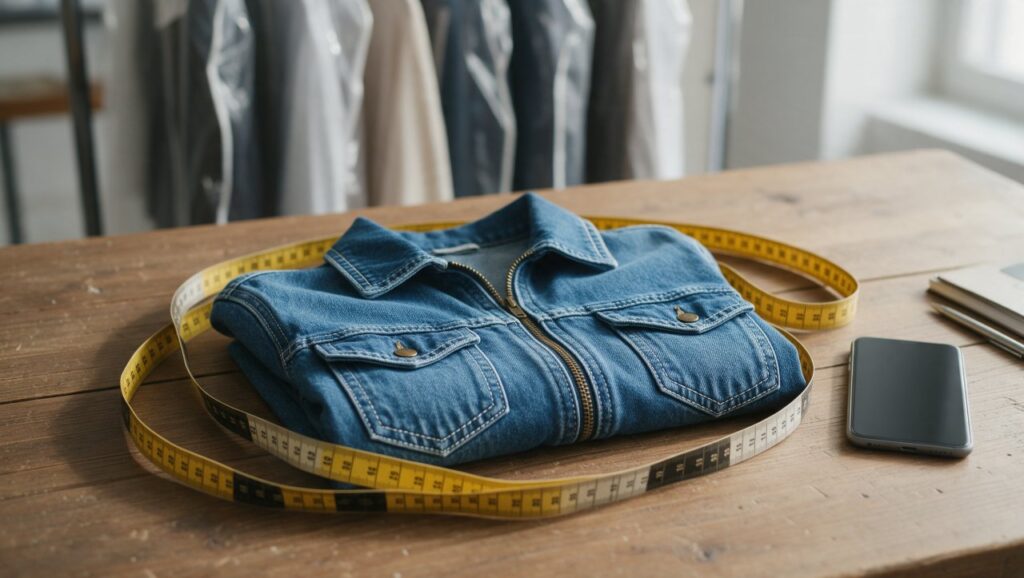
You only need a soft measuring tape, the kind used for sewing. If you do not have one, a piece of string and a ruler work fine. Take three basic measurements: chest or bust, waist, and hips. For tops and dresses, also measure your shoulder width and sleeve length if you often struggle with fit in those areas. For pants, measure your inseam and thigh circumference.
Here is a simple way to do it without driving yourself crazy:
- Wear thin clothing or measure over underwear for accuracy.
- Keep the tape snug but not tight. You should be able to breathe normally.
- Measure your chest at the fullest point, usually across the bust line, with the tape level around your back.
- Measure your waist at the narrowest part, usually above the belly button.
- Measure your hips at the widest point around your seat.
- Write the numbers down in both centimeters and inches. Most Shopee listings use centimeters.
Once you have these numbers, store them in a note on your phone. You will use them constantly. Do not round up or down to flatter yourself. A shirt that is two centimeters too small across the shoulders will not care how you rounded the number.
Read the size chart every single time
Yes, it is boring. Yes, it takes an extra minute. But skipping the size chart is how you end up with a dress that fits your left arm and nothing else. Every listing has its own chart because every factory cuts garments differently. A generic size chart pulled from Google will not help nearly as much as the one provided by the seller.
Look for the chart in the product images or in the description section. Most sellers include a table with measurements for each size, usually in centimeters. Compare those numbers to your own measurements. If your chest measures 94 cm, do not automatically pick a size with a 94 cm chest unless you want a very fitted look. Add a few centimeters for comfort, depending on the style.
How to use a size chart the smart way
- Find the garment type first. A size chart for a loose blouse is different from one for a stretchy tank top.
- Check if the measurements are for the garment or for the body. Some charts list body measurements, others list the flat lay measurements of the clothing itself.
- If the chart lists garment measurements, compare them to a similar item you already own and love. Lay that item flat and measure it the same way.
- Look at the model information if it is provided. Sellers often list the model’s height, weight, and the size she is wearing. That gives you a real world reference.
When in doubt, size up. A slightly loose fit can be tucked, belted, or layered. A too small fit usually just sits in a drawer until you donate it.
Understand flat lay measurements
Many Shopee sellers measure clothing while it lies flat on a table. They stretch the fabric slightly and run a tape measure across the chest, waist, hips, and length. This is useful information, but only if you know what it means. A flat lay chest measurement is half of the full circumference. If the listing says the chest is 50 cm, the full chest measurement is about 100 cm.
This confuses a lot of first time buyers. They see 50 cm and think the shirt is for a child. Then they order a size too big and wonder why it looks like a tent. Always double the flat lay width for tops, dresses, and jackets. For pants, the flat lay waist measurement is also half the full waist.
Common flat lay terms you will see
- Pit to pit: the chest width measured from one armpit seam to the other. Double it for the full chest.
- Waist width: measured across the waistband while flat. Double it for the full waist.
- Hip width: measured across the widest part of the hips. Double it for the full hip measurement.
- Length: usually from the shoulder or top edge down to the hem. This one is not doubled.
- Sleeve length: from the shoulder seam to the cuff. Also not doubled.
If the seller does not specify whether a number is a flat lay or full measurement, message them and ask. A good seller will answer quickly. A seller who ignores you probably is not worth your money.
Compare with clothes you already own
Your closet is the best size chart you have. You already know which pieces fit well and which ones annoy you. Use them as a reference before you buy anything new. This method is more accurate than any chart because it accounts for your personal preferences, not just raw numbers.
Take a shirt that fits exactly how you like. Lay it flat on your bed. Measure the pit to pit, the length from shoulder to hem, and the sleeve length. Write those numbers down. Now you have a target range for future tops. Do the same for your favorite pair of pants: waist, hip, thigh, and inseam.
When you find a listing on Shopee, compare the seller’s measurements to your reference garment. If the seller says the chest is 52 cm and your favorite shirt is 51 cm, that is a very good sign. If the seller says the chest is 56 cm, you know the fit will be looser. You can decide if that is okay for the style.
Keep a note with your reference numbers
- Favorite fitted shirt: chest, length, sleeve
- Favorite relaxed shirt: chest, length, sleeve
- Favorite jeans: waist, hip, thigh, inseam
- Favorite dress: chest, waist, length
This note takes ten minutes to create and saves you hours of returns and disappointment. Update it when you find a new favorite piece.
Pay attention to fabric and stretch
Fabric changes everything. A cotton shirt with no stretch will fit very differently from a polyester blend with spandex. Two garments can have identical measurements but feel completely different on your body. That is why you should always check the material section of a listing before you decide on a size.
Natural fabrics like cotton, linen, and rayon tend to have less give. If the garment is woven, not knitted, it will not stretch much. For those pieces, follow the size chart closely and choose a size that gives you a little breathing room. Knitted fabrics, like jersey or ribbed knits, stretch more and can be more forgiving if the size is slightly off.
Fabric clues to look for
- Spandex, elastane, or lycra: expect stretch. You can often size down if you want a snug fit.
- 100 percent cotton: minimal stretch unless it is knit. Size up if you are between sizes.
- Linen: no stretch and wrinkles easily. A relaxed fit looks intentional; a tight fit looks uncomfortable.
- Chiffon or organza: no stretch and often cut slim. Check the chest and waist carefully.
- Denim: varies a lot. Look for the percentage of elastane. More elastane means more give.
Also think about how you want the garment to feel. A stretchy bodycon dress is supposed to fit close to the skin. A linen shirt is supposed to skim the body. Use the fabric information to decide not just what size to buy, but whether the style will work for you at all.
Use reviews and buyer photos wisely
Reviews are one of the best sources of sizing information, especially on Shopee, where buyers often upload photos of themselves wearing the item. A written review that says “fits true to size” is helpful, but a photo is even better. You can see how the garment hangs on a real person, not a model.
Look for reviewers who share your body type or at least a similar height and build. If someone writes “I am 160 cm and 55 kg, size M fits perfectly,” that is a useful data point. If someone only writes “good quality,” that does not help you with sizing at all.
What to look for in reviews
- Reviews that mention height and weight along with the size purchased.
- Photos that show the fit from the front and side.
- Comments about whether the item runs small, large, or true to size.
- Mentions of specific fit issues, like tight sleeves or a short torso.
- Reviews from repeat buyers, which suggest the seller is consistent.
Do not ignore negative reviews. If several people say the shoulders are narrow or the waist runs small, believe them. One complaint might be a fluke, but a pattern is a warning. Some apps also let you filter reviews by variation, which helps you see feedback from people who bought the size you are considering.
Ask the seller the right questions
Many Shopee sellers are happy to help with sizing because it reduces returns and bad reviews. But you need to ask specific questions. A vague message like “What size should I get?” often leads to a vague answer or a suggestion to just pick your usual size. That is not helpful.
Instead, give the seller your measurements and ask about the garment measurements. For example: “My chest is 94 cm and my waist is 76 cm. The size chart says M has a 96 cm chest. Will this fit comfortably, or should I size up?” That gives the seller something concrete to work with.
Good questions to ask
- Are the measurements in the chart for the body or for the garment?
- Does this fabric stretch?
- What is the length from shoulder to hem for size L?
- I am between sizes. Do you recommend sizing up or down for this style?
- What size is the model wearing and what are her measurements?
Be polite and patient. Some sellers take a while to respond. If you need an answer before a sale ends, message early. And if a seller gives you a clear, detailed answer, note it in your review later to help other buyers.
Check the return and exchange policy before you pay
Even with careful measuring, some purchases will not work out. That is just part of buying clothes online. What matters is whether you can do something about it. Before you check out, look at the seller’s return and exchange policy. On Shopee, policies can vary by seller and by country, so check the listing details and the app for current information.
Some sellers accept size exchanges if you pay the return shipping. Others offer free returns within a certain window. Some items, like underwear or swimwear, are often not returnable for hygiene reasons. Know this before you buy, not after you open the package.
If you are unsure about a size and the seller does not accept exchanges, consider the risk. You might be better off choosing a different seller with a more flexible policy, even if the price is slightly higher. A cheap item you cannot wear is not a deal, it is a waste of money.
A quick checklist before you order
Use this checklist every time you buy clothes on Shopee. It takes about two minutes and dramatically increases your chances of getting a good fit.
- Check your current body measurements in centimeters.
- Read the full size chart in the listing.
- Confirm whether measurements are for the body or the garment.
- Compare the numbers to a similar item you already own.
- Check the fabric content and think about stretch.
- Read at least five reviews, focusing on ones with height and weight details.
- Look at buyer photos to see the fit on real bodies.
- Message the seller if anything is unclear or you are between sizes.
- Check the return and exchange policy.
- If still unsure, size up or skip the purchase.
You will not get it right every single time. But if you follow these steps, the misses become rare. And when a package arrives and the fit is perfect on the first try, you will remember why it was worth the extra effort.